
from Bloomburg Businessweek
Chosen with the help of Emilie Perrier, sommelier at Gabriel Kreuther in New York.
Stock Your Party
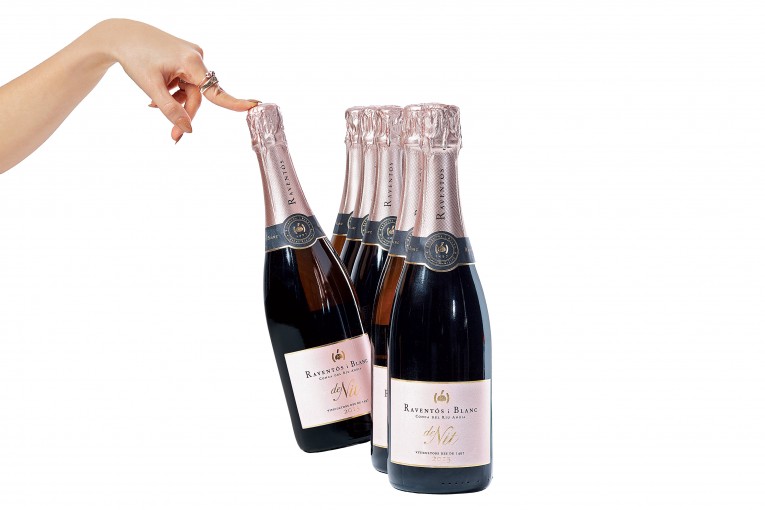
2013 Raventos i Blanc “de Nit” Rosado Cava, $23
(pictured above)
Easy and cheap, Spanish cavas were once maligned, but they’re getting more positive critical attention of late. Fruity, but not too sweet, this rosé version is a major bargain.
 Bring This to the Party
2009 Iron Horse Vineyards Classic Brut, $42
This rich, creamy sparkler from California is a surefire winner. The yeasty aroma and slightly nutty taste will pair well with whatever savory snacks your host is serving.
Something Special
NV Jacquesson Cuvee 737 Extra Brut, $62
The winemakers create a distinctive blend each year. This bold, full-bodied, and aromatic issue is from 2013—because nothing says “I appreciate you” like a limited edition.
 To Impress a Wine Nerd
NV Billecart-Salmon Blanc de Blancs Brut, $70
A favorite among chefs and sommeliers for its finesse and food-friendliness, this fresh, elegant, medium-bodied Champagne has zesty green apple notes. (Remember that so you can repeat it later.)
Label Lingo Lesson #1: How Sweet Is It?
Ultra brut (or brut nature, or brut zero): Absolutely bone dry, for those who resist even a little sweetness.
Extra brut: Still reliably dry.
Brut: The most common designation; denotes a quite dry sparkling wine.
Extra dry: Confusingly, these wines are sweeter than those labeled brut.
Sec: The word means “dry” in French, but these bottles are even sweeter than those labeled extra dry.
Demi-sec: Sweeter still.
Doux: The sweetest sparkling option.
Label Lingo Lesson #2: Where’s It From?
Champagne: Sparkling wines from the Champagne region of France tend to be among the driest.
Crémant: Sparkling wines made in other parts of France; these are also reliably dry.
Cava: Spanish sparkling wines, typically dry and smoky.
Prosecco: The most common sparkling wine from Italy, made in the Veneto region. Often sweeter than cavas, Champagnes, and crémants.
California sparkling wine: Typically sweetish and approachable.
Label Lingo Lesson #3: What’s In It?
Blanc de blancs: Crisp, fresh sparkling wines made from white wine grapes.
Blanc de noirs: Richer, fuller wines made from red wine grapes (though the wine itself is still white).
Rosé: The fullest-flavor option, made from a variety of different grapes, with fruity, berry flavors and a pink hue.
NV: Means “nonvintage” and includes a blend of grapes harvested in different years; NV sparkling wines from a single producer tend to taste consistent from year to year.
Read more from Businessweek here.
Bash on Broadway Stars With Kelsea Ballerini

Please join our FREE Newsletter